No Drill Blinds

“No drill” describes an installation approach, not one universal blind. Suitable systems attach to compatible windows and doors without conventional drilling into the wall or recess.
Book a Free Home Survey Call 01223 756519

No Drill Blinds

Why people choose them

  • A neat installation
  • Useful on suitable glazed doors
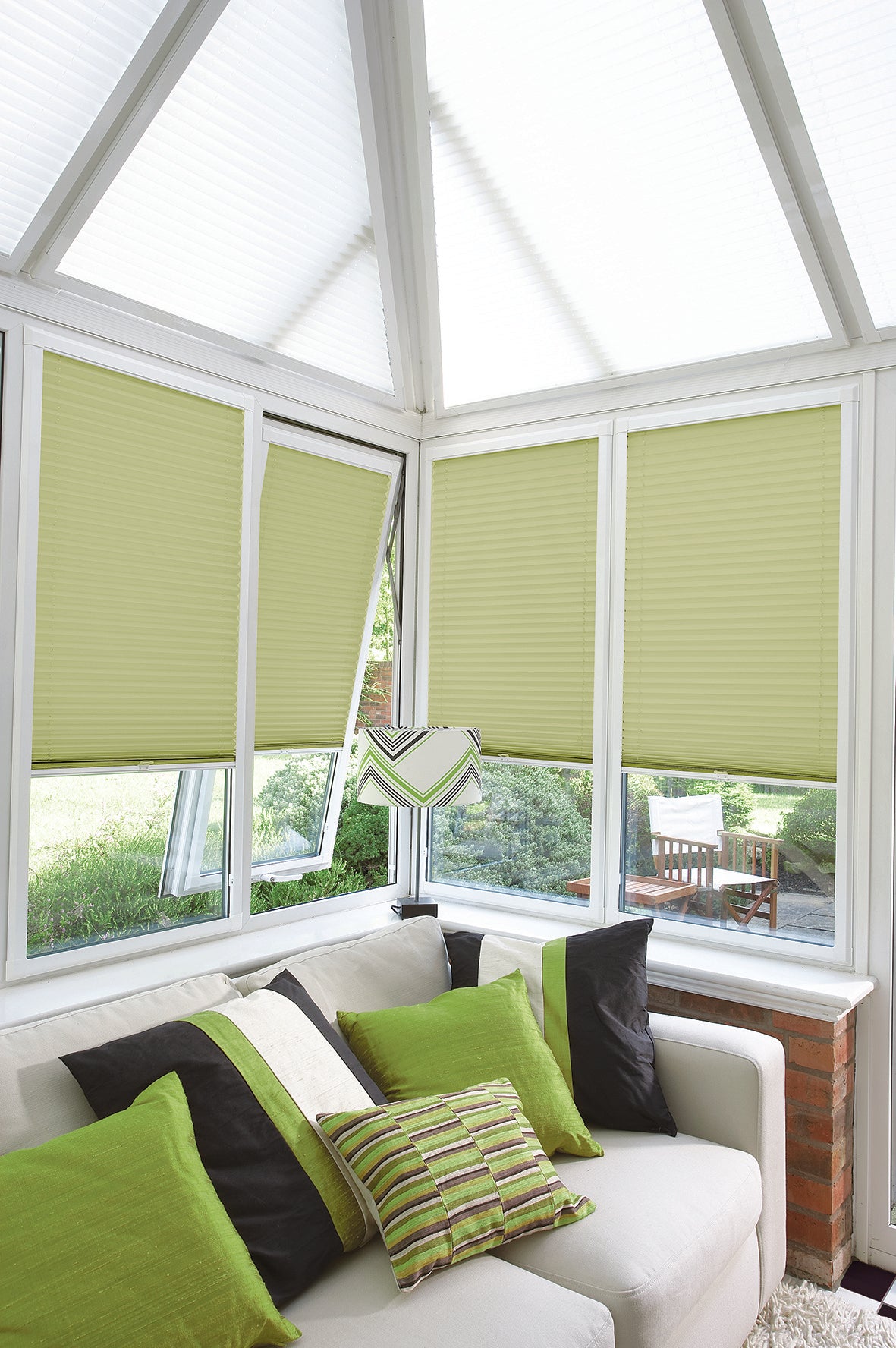
  • On some systems the blind moves with the opening window or door
  • No conventional wall or recess drilling
  • Helpful where sill or recess space is limited

Compatibility comes first

No drill does not mean it fits every window. We check glazing beads and seals, frame construction, handle and panel clearance, dimensions, how the window opens and the requirements of the specific system.

Possible formats

Framed Perfect Fit blinds, FITtoFRAME and other bead-mounted systems, in pleated, cellular, roller and Venetian styles depending on compatibility.

Rented homes

Check with your landlord first. Different systems leave different traces, so we do not promise that removal will leave no mark.

How they attach

Most no-drill systems fix to the glazing bead, the strip that holds the glass into a uPVC or aluminium frame. Perfect Fit blinds use a slim frame held by brackets that hook behind the bead. FITtoFRAME blinds use beading brackets or an adhesive fixing. Either way the blind sits within the window frame, close to the glass, and on opening windows it moves with the sash.

Where they work well

  • Tilt-and-turn windows, where a recess blind would get in the way of the opening sash
  • French, patio and bifold doors, where the blind needs to travel with the door
  • Conservatories with many identical panes
  • New builds and rentals, where you would rather not drill into walls or recesses

Where to be careful

Timber windows, deep or shallow beads, and handles close to the glass can all rule out a particular system. Very large panes may be beyond what a frame-fitted blind can cover. We check these points at the survey rather than assuming.

Key features

Motorisation
Available on selected ranges
No-drill fitting
Possible on compatible windows — confirmed at survey

Honest suitability

Is it right for your window?

Every recommendation comes with a reason. Where something else would serve you better, we say so — and suggest what to consider instead.

Where this works well

  • Tilt-and-turn windows Recommended

    The blind moves with the sash, so the window opens freely in both directions.

  • French, patio and bifold doors Recommended

    The blind travels with the door, so there is nothing to raise first.

    Worth knowing: Handle clearance must be checked on each door.

  • Rented homes With conditions

    Avoids drilling into walls or recesses.

    Worth knowing: Check with your landlord first; different systems leave different traces, so we do not promise removal leaves no mark.

  • Timber or unusual frames Specialist survey

    Some systems can work on other frames.

    Worth knowing: Bead shape and depth vary; compatibility is checked window by window.

Where we’d suggest something else

  • Traditional sliding sash windows

    Why: Sash windows do not have the glazing beads these systems fix to, and the sashes slide past each other.

    The limitation: The frame-fitted approach is not designed for this.

    Consider instead: Roller blinds

  • Wanting a cheap stick-on blind

    Why: Professionally specified frame-fitted systems are a different product from adhesive consumer blinds.

    The limitation: They are made to measure and fitted to suit the frame.

    Consider instead: Made-to-measure advice

Fabrics and finishes

Pleated and cellular fabrics, roller fabrics including blackout and light-filtering options, and aluminium or wood-look Venetian slats are available depending on the system. Frame colours are chosen to match white, grey, anthracite and other window frames on the systems that offer them.

Controls

Pleated, cellular and Venetian no-drill blinds are usually operated by hand or with a tilt wand, with no hanging cord. Roller versions typically use a secured chain. Motorised operation is available on selected frame-fitted systems; FITtoFRAME is manual.

Child safety

Internal blinds supplied in the UK must meet child-safety requirements, following BBSA guidance, and the blinds we fit are supplied with the required safety devices.

Many frame-fitted blinds are operated without a loose cord, which suits children's rooms. Where a chain is used it is tensioned or secured with the required safety device.

Compared with the alternatives

Perfect Fit blinds

A framed system that hooks behind the glazing bead, available with roller, pleated, cellular and Venetian blinds on compatible windows.

FITtoFRAME blinds

A separate bead-fitted system using beading brackets or adhesive, with pleated, cellular and Venetian options. Manual only.

No-drill shutters

If you want a shutter look without drilling, frame-fitted shutters are available for some windows and doors.

Roller blinds

Where no-drill systems are not compatible, a conventional recess or face-fitted roller is the simple alternative.

Questions we get asked

Are no-drill blinds the same as stick-on blinds?

No. Professionally specified frame-mounted systems are a different product from adhesive consumer blinds.

Will they work on aluminium or timber windows?

It depends on the frame and bead. We check each window at the survey.

Can no-drill blinds be motorised?

On selected frame-fitted systems, yes. FITtoFRAME is a manual system. We confirm the options for your windows at the survey.

Do no-drill blinds work on tilt-and-turn windows?

Often, yes, because the blind is fixed to the sash and moves with it. Handle clearance and bead depth are checked first.

Free, no obligation

Book your Free Home Survey

We’ll measure properly, bring samples to see in your own light, talk you through what suits each window, and give you a no-obligation quotation.

Book a Free Home SurveyVisit our showroom

Or call 01223 756519